

What Neurodivergent Students Wish Their Teachers Had Known
“I wish my teachers had known…”
Hear directly from neurodivergent young adults about what helped, what didn’t, and what they wish educators understood.
This is your chance to ask students themselves.
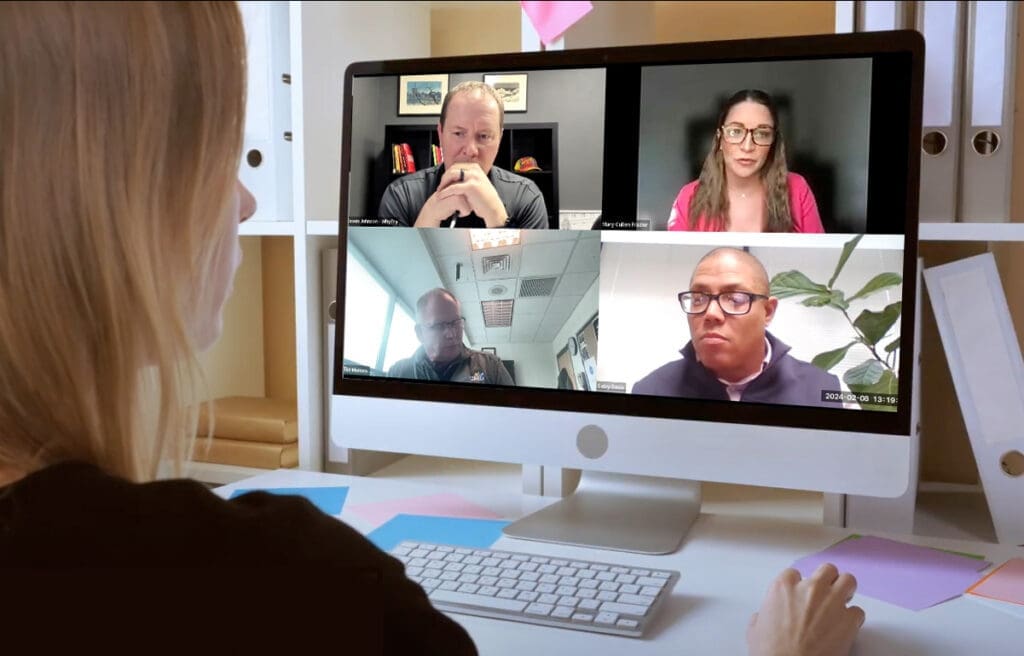
Join Jared Stewart of ScenicView Academy and a panel of neurodivergent young adults for a candid conversation about what it’s really like to experience school with a brain that works differently.
Hear what helped. What didn’t. What was misunderstood. And what they wish their teachers had known.
Free Webinar for Educators
Thursday August 27th
1:00 – 2:00 PM MT | 12 PT | 2 CT | 3 ET
Sometimes What Teachers See Isn’t What Students Experience
A student isn’t starting the assignment.
They seem distracted.
They’re avoiding a task.
They shut down when corrected.
They respond emotionally to something that seems small.
They don’t participate.
They appear capable—but their performance doesn’t match what we know they can do.
For educators, knowing what you’re seeing is only part of the challenge. Understanding what the student may be experiencing underneath it can change the way we respond. And sometimes the most valuable thing we can do is ask the students themselves.
Hear the Perspective We Don’t Always Get
Most teachers already have more than enough on their plates.
That’s why we’ll focus on simple, practical strategies that can fit into what educators are already doing.
We’ll also introduce The First Five: Focus on Why
During this free webinar, Jared Stewart of ScenicView Academy will join a panel of neurodivergent young adults for an honest conversation about their experiences in school.
We’ll explore:
- Common misconceptions about neurodivergent students
- Behaviors educators may interpret differently than students experience them
- Strengths that can easily be overlooked
- Classroom experiences that made learning harder
- Teachers and strategies that made a positive difference
- What these young adults wish educators understood about students like them
And we’ll translate those experiences into simple, practical ideas you can use with students right away.
This Isn’t About Lowering Expectations
And it isn’t about asking educators to become experts in every diagnosis. It’s about becoming more curious about the student behind the behavior. Understanding why the same classroom environment can be experienced very differently by different students. Recognizing strengths alongside challenges. And finding small ways to help students feel understood, capable, and supported while still helping them grow.
You May Leave Seeing Some of Your Students Differently
One of the most powerful things about listening to former students reflect on their experiences is realizing:
There may be students sitting in our classrooms today experiencing the same things. This conversation can help you recognize them. And respond differently.
Join us for this great discussion!
Thursday August 27th
1:00 – 2:00 PM MT | 12 PT | 2 CT | 3 ET
Save your spot!

💬 Know a colleague who’d benefit? Share the link—this is a conversation every educator should be part of.
Meet our panelists:

Jared Stewart
Jared Stewart, M.Ed., BCBA, was named the 2011 Educator of the Year by the National Association of Private Special Education Centers, the 2018 Presenter of the Year by the National Association of Therapeutic Schools and Programs, and the 2020 Hero for Autism by the Autism Resources of Utah County Council. He currently serves as Program Director at Provo’s ScenicView Academy, Adjunct Professor at Utah Valley University, and as a member of several local and national disability advisory boards. Jared has spent almost two decades working with autistic adolescents and adults as a teacher, life coach, and licensed behavior analyst, and has shared his views on the techniques and mindsets that lead to improved outcomes for these individuals with many local and national audiences. His passion for the subject arises from personal experience: he has numerous family members on the Spectrum, and he was diagnosed with autism himself as an adult.

Jason Johnson
Jason Johnson is a licensed school psychologist and Director of Training & Research for WhyTry, where he consults and trains educators nationwide on resilience-based strategies to support student success. A nationally recognized expert in resilience education, he has spoken at hundreds of conferences and led WhyTry program implementations in schools, healthcare, corporate settings, and the U.S. Military. Passionate about helping students overcome challenges, Jason is dedicated to creating a culture of resilience in education.