

“Dysregulation in the Classroom: What It Is, What It Looks Like, and What To Do About It”
Free Live Webinar for K–12 Educators
Behavior Feels Harder Right Now
More shutdown.
More escalation.
More emotional intensity.
More unpredictability.
Educators everywhere are using the word dysregulation. But what does that actually mean in a classroom setting? And more importantly… What do you do when it shows up in real time?
Missed the Webinar? Watch it Here:
This Webinar Will Help You:
- ✔ Clearly understand what dysregulation refers to (in practical, usable language)
- ✔ Identify common classroom behaviors rooted in nervous system overwhelm
- ✔ Learn strategies that reduce reactive cycles
- ✔ See how a regulation lens changes your response
- ✔ Recognize the role of adult regulation in creating safer classrooms
This isn’t theory-heavy. It’s practical. It’s grounded. And it’s built for real classrooms.
What We’ll Cover
- Dysregulation — What Are We Actually Talking About? We’ll define the term in clear, educator-friendly language.
- What Does Dysregulation Look Like in Schools? From shutdown to explosive reactions — we’ll connect behavior patterns to nervous system states.
- Practical Strategies That Help. Concrete tools you can use immediately to reduce escalations and increase stability.
- Why Regulation Is the Lens That Changes Everything. How understanding regulation equips you to handle future challenges more effectively.
- Next Steps — Including Ourselves. Why adult self-regulation is not optional — and how it shapes student outcomes.
💬 Know a colleague who’d benefit? Share the link—this is a conversation every educator should be part of.
Meet our panelists:
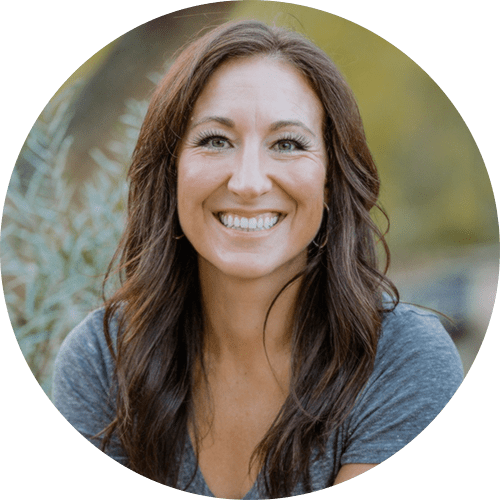
Dr. Katie Lohmiller – DrPH
Director, Neurosequential Model in Education
Co-Founder, Educational Access Group
With a background in public health and a passion for systems-level change, Dr. Lohmiller brings a unique lens to the implementation of trauma-informed and brain-based practices in education. She has spent years helping schools and youth-serving organizations navigate the intersection of neuroscience, policy, and equity. As a Program Coordinator for the Neurosequential Network and co-founder of Educational Access Group, she supports educators in building sustainable, science-backed environments where regulation and resilience can flourish. Dr. Lohmiller is deeply committed to helping school communities translate brain science into real-world impact for students and staff alike.

Halley Gruber – M.A.Ed
Director, Neurosequential Model in Education
Co-Founder, Educational Access Group
Halley Gruber brings the heart of a classroom teacher and the mind of a systems-thinker to her work supporting schools across the country. With roots in elementary education, she knows firsthand the challenges educators face—and the incredible potential for healing and growth within every classroom. As a Program Coordinator with the Neurosequential Network and co-founder of Educational Access Group, Halley partners with educators to embed trauma-informed, brain-based strategies into daily practice. Her mission is to help schools become more joyful, connected, and developmentally attuned spaces for every student and adult who walks through the doors.

Jason Johnson
Jason Johnson is a licensed school psychologist and Director of Training & Research for WhyTry, where he consults and trains educators nationwide on resilience-based strategies to support student success. A nationally recognized expert in resilience education, he has spoken at hundreds of conferences and led WhyTry program implementations in schools, healthcare, corporate settings, and the U.S. Military. Passionate about helping students overcome challenges, Jason is dedicated to creating a culture of resilience in education.