

“The Key to Building Positive Teacher-Student Relationships”
Surrendering the One-Up

Why This Matters More Than Ever
Educators already know relationships matter.
But here’s the reality:
Students don’t learn from people they don’t trust.
And research continues to show that strong teacher-student relationships impact:
- Student engagement
- Behavior and motivation
- Academic outcomes
- Attendance
- Long-term resilience
The challenge isn’t understanding why relationships matter.
The challenge is:
👉 How do we actually build them—
intentionally and consistently?
That’s where this approach comes in.
The Shift: Surrendering the One-Up

In many classrooms, there’s an invisible dynamic:
- The adult is “one-up” (authority, control)
- The student is “one-down” (less voice, less value)
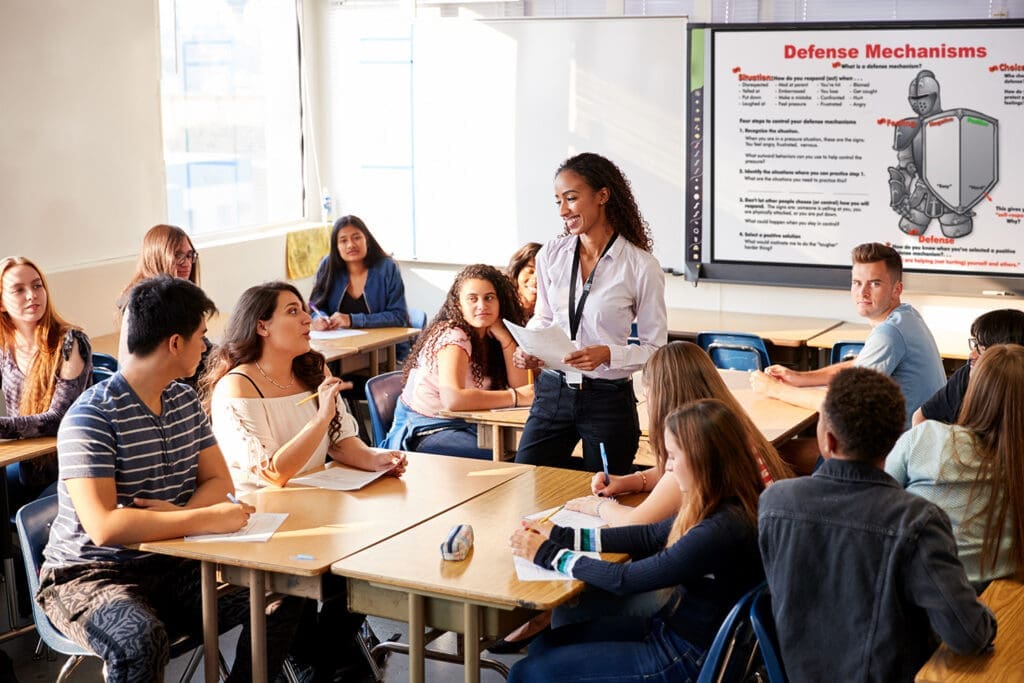
Students feel this—even if we don’t mean it. And when they do: They disengage, they resist, they protect themselves. Surrendering the one-up changes that dynamic. It means: communicating unconditional value and worth, creating more balance in the relationship, recognizing students as experts in their own lives.
The key to creating change doesn’t lie in interventions alone, but in the relationship you establish with students.
From “Why” to “How”
Most educators rarely get practical tools for relationship-building. This is where we focus.
Below are 5 simple, high-impact strategies you can start using immediately
5 Practical Strategies to Try Right Away
1. Use Their Name—Every Time
What to do:
- Greet students by name at the door
- Use their name in conversation throughout the day
Why it works:
A student’s name is deeply tied to identity and belonging.
This simple habit communicates:
👉 “I see you. You matter here.”
2. Be Intentionally Human
What to do:
- Share appropriate personal stories
- Admit mistakes
- Let students give you advice on something small
Why it works:
Students don’t connect with perfection—they connect with authenticity.
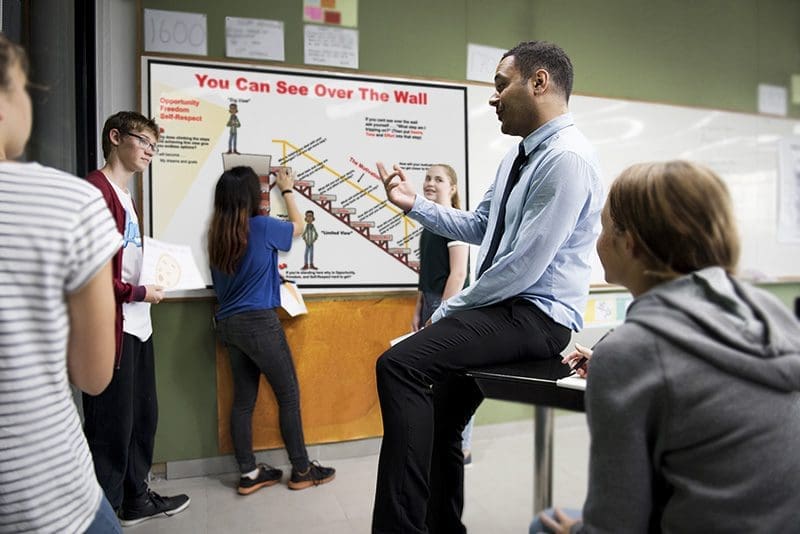
When you lower the wall, they do too.
3. Give Voice and Choice
What to do:
- Let students choose between assignment options
- Invite input on class routines or activities
- Allow different ways to demonstrate learning
Why it works:
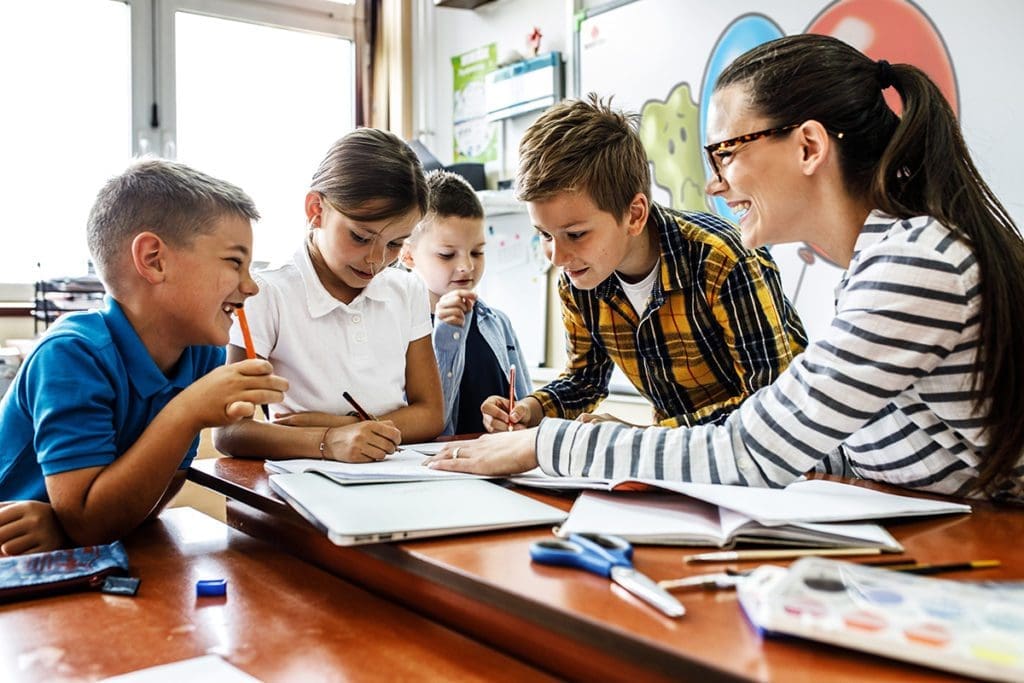
Students are more motivated when they feel ownership instead of control.
4. Create Moments of Personal Connection
What to do:
- Do a quick “check-in” question
- Spotlight a student (interests, strengths, goals)
- Use activities like “Two Truths and a Lie” or music sharing
Why it works:
Connection doesn’t happen by accident—it happens through repeated small moments.

5. Show You’re Paying Attention
What to do:
- Notice changes (new shoes, haircut, mood)
- Follow up on things students share
- Give small personal acknowledgments or notes
Why it works:
Attention communicates care.
And care builds trust faster than any strategy.
The Real Key: Be Intentional
Some educators naturally do these things. Others are just getting started. But here’s the truth:
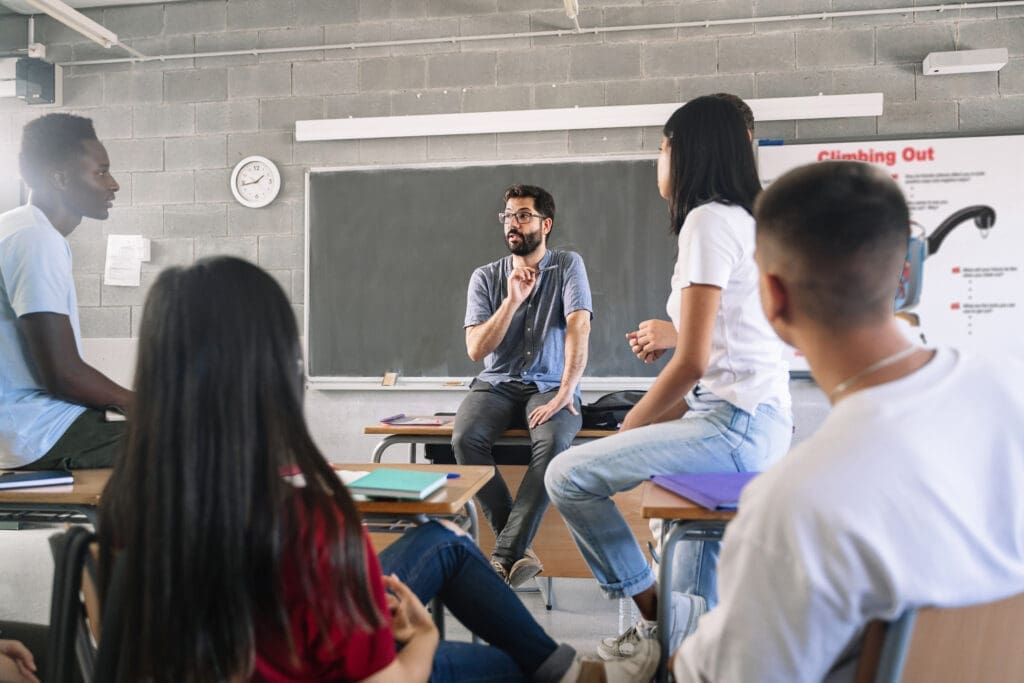
Even the best relationship-builders improve when they become intentional.
Without intention:
Good moments happen occasionally
With intention:
Relationships improve consistently
Turn This Into Action: Your Simple Plan
Don’t try to do everything.
Instead, choose 1–2 strategies and apply them with purpose.
Relationship-Building Action Plan
Step 1: Choose a Student
Who is hard to reach?
Who could benefit most from stronger connection?
Student Name: ___________________________
Step 2: Choose 1–2 Strategies to Focus On
- Use their name consistently.
- Be intentionally human
- Give voice and choice
- Create connection moments
- Show you’re paying attention
My Focus Strategies: ________________________________________________
Step 3: Define What This Looks Like
What will you actually do?
Example:
“I will greet them by name every day and ask one personal question each week.”
My Plan: ________________________________________________
Step 4: Be Consistent (2 Weeks Minimum)
Relationships are built through repetition.
Set a simple goal:
- Daily
- 3x per week
- Weekly
Step 5: Reflect
After 2 weeks, ask:
- Has anything changed in our interactions?
- Do they seem more open or engaged?
- What should I adjust?
A Final Thought:
Students may forget what you taught them, but they won’t forget how you made them feel.
When students feel valued:
- Behavior improves
- Engagement increases
- Learning follows

Want More Tools Like This?
This is just a small sample of what’s inside the WhyTry Program Toolkit, where you’ll find:
- Dozens of relationship-building strategies
- Ready-to-use lessons and activities
- Tools for motivation, resilience, and behavior
- Training to help your entire team apply this consistently
Take the Next Step
If this approach connects with you, we’d love to help you bring it to your school or team.