

When the Tank Is Low: Real Strategies for Sustaining Educators in Tough Systems
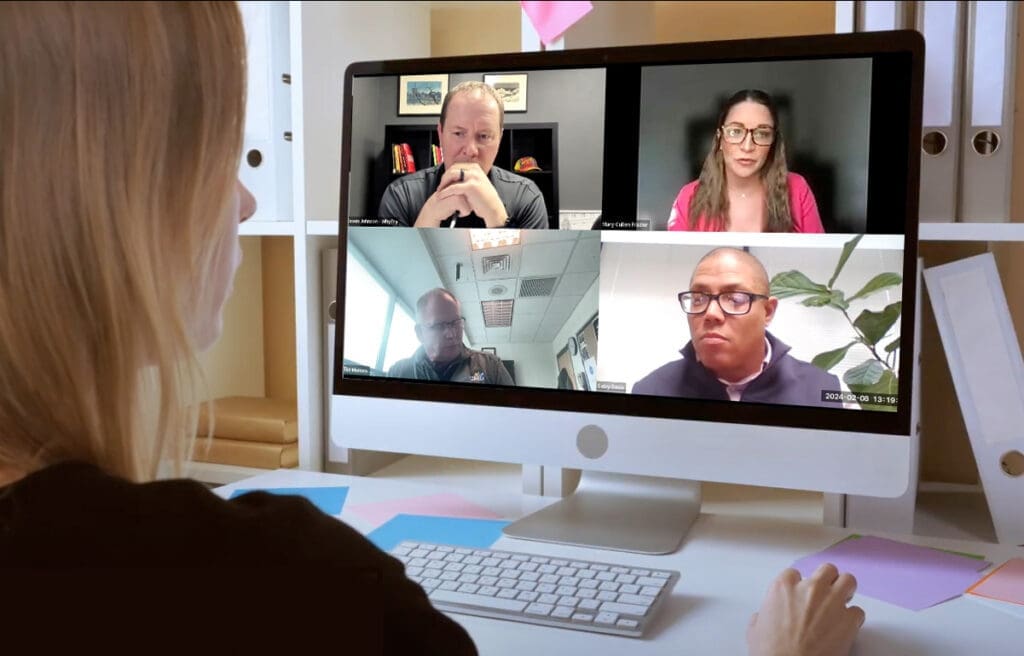
Missed the Live Event? Watch the recording below!
Practical, realistic strategies to help you reset, stay effective, and sustain your work—even on the hardest days.
Some days, it’s not the lesson plan—it’s everything else.
- The constant demands.
- The emotional weight.
- The pressure to do more with less.
If you’ve ever finished a day feeling completely drained and still wondering if it was enough… you’re not alone.
What This Webinar Is About
This isn’t another conversation about burnout that leaves you feeling more overwhelmed.
This session brings together real educators and experts to:
- Name what’s actually happening in schools right now
- Understand the brain-based impact of chronic stress
- Share simple, practical strategies that work in real classrooms
- Explore what meaningful support looks like (without adding more to your plate)
Free Live Webinar for Educators & School Leaders
Thursday, May 14th
1:00–2:00 PM MT | 12:00 PM PT | 2:00 PM CT | 3:00 PM ET
Want to be informed of our next webinar?
This webinar is proudly sponsored by:
NAEA (National Alternative Education Association) – Supporting innovative, student-centered approaches for alternative education programs nationwide
The Neurosequential Network –
The Nuerosequential Model in Education (NME) draws upon the NMT (a neurodevelopmentally-informed, biologically respectful perspective on human development and functioning) to help educators understand student behavior and performance.
WhyTry – Helping educators build resilience and strengthen student connections

What You’ll Walk Away With
- Quick reset strategies you can use in under a minute
- A better understanding of how stress impacts your thinking and reactions
- Practical ways to stay grounded during challenging moments
- Ideas for supporting staff without creating initiative fatigue
- A renewed sense of clarity, purpose, and sustainability
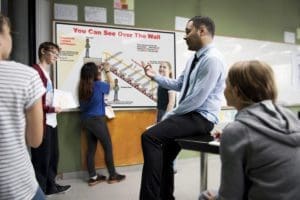
You don’t need a complete overhaul to feel better—you need small, realistic shifts that actually work.
Who Should Attend?
- Teachers (K–12)
- School counselors & support staff
- Administrators & school leaders
- Anyone working in education who feels the weight of the work
Watch this brief video to learn how the program works in real classrooms and intervention settings

Why This Matters
We spend a lot of time talking about how to support students.
But sustainable schools start with supported adults.
When educators are regulated, supported, and equipped—everything improves:
- Classroom climate
- Student relationships
- Decision-making
- Long-term retention

Want to be informed of our next webinar?
Join our Mailing List
Join our panelists:

Crystal Hosselton
Crystal Hosselton is the Director of Adult Education and Alternative Learning Programs at John A. Logan College in Illinois, where she oversees both adult education services and Mary Logan High School, an alternative program serving students across 11 districts. With over 14 years of leadership experience and a background as a counselor, she brings a deep understanding of student needs and system-level support. Crystal began her career as a mental health and substance abuse therapist working with at-risk and justice-involved youth, shaping her compassionate, student-centered approach. A longtime leader within the Illinois Coalition for Educating At-Risk Youth (ICEARY), she is a dedicated advocate for alternative education and meaningful pathways for all students.
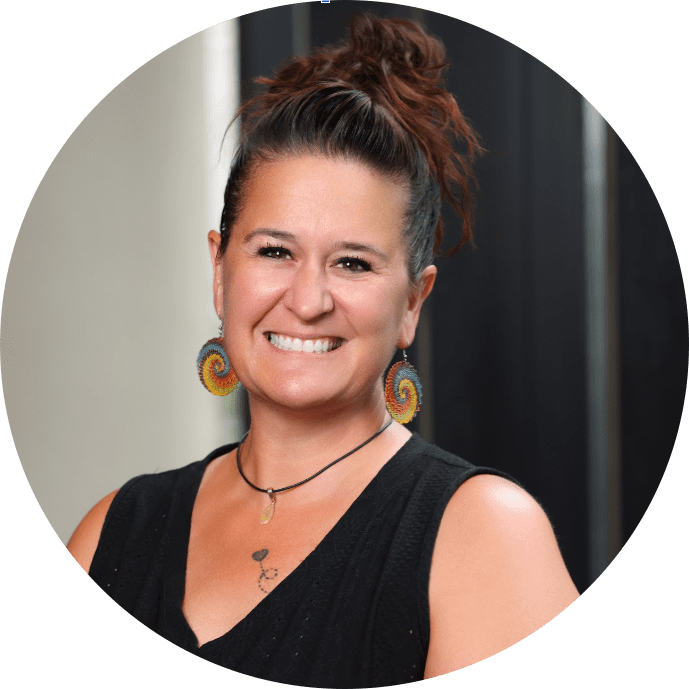
Diane Kridner-Protzmann
Diane Kridner-Protzmann is the Alternative Education Coordinator at Mira Costa High School in California, where she has led the development of a comprehensive alternative education program grounded in equity and best practices. With a background in traditional education and a Master’s in Educational Leadership from San Diego State University, Diane is passionate about building strong relationships and helping students and families navigate barriers to success. Her work focuses on identifying root causes of school avoidance, implementing trauma-informed practices, and creating systems that better support all learners through intentional, student-centered design.

Halley Gruber
Director, Neurosequential Model in Education
Co-Founder, Educational Access Group
Halley Gruber brings the heart of a classroom teacher and the mind of a systems-thinker to her work supporting schools across the country. With roots in elementary education, she knows firsthand the challenges educators face—and the incredible potential for healing and growth within every classroom. As a Program Coordinator with the Neurosequential Network and co-founder of Educational Access Group, Halley partners with educators to embed trauma-informed, brain-based strategies into daily practice. Her mission is to help schools become more joyful, connected, and developmentally attuned spaces for every student and adult who walks through the doors.

Dr. Katie Lohmiller – DrPH
Director, Neurosequential Model in Education
Co-Founder, Educational Access Group
With a background in public health and a passion for systems-level change, Dr. Lohmiller brings a unique lens to the implementation of trauma-informed and brain-based practices in education. She has spent years helping schools and youth-serving organizations navigate the intersection of neuroscience, policy, and equity. As a Program Coordinator for the Neurosequential Network and co-founder of Educational Access Group, she supports educators in building sustainable, science-backed environments where regulation and resilience can flourish. Dr. Lohmiller is deeply committed to helping school communities translate brain science into real-world impact for students and staff alike.

Jason Johnson
ason Johnson is a licensed school psychologist and Director of Training & Research for WhyTry, where he consults and trains educators nationwide on resilience-based strategies to support student success. A nationally recognized expert in resilience education, he has spoken at hundreds of conferences and led WhyTry program implementations in schools, healthcare, corporate settings, and the U.S. Military. Passionate about helping students overcome challenges, Jason is dedicated to creating a culture of resilience in education.
What is WhyTry?
WhyTry is designed for educators working with students who may feel disconnected, unmotivated, or resistant to school. It’s a flexible toolkit and curriculum that helps you turn everyday challenges into opportunities to build trust, teach resilience, and re-engage students. Whether you’re using it in a classroom, alternative setting, small group, or a quick one-on-one intervention in the moment, WhyTry gives you practical strategies you can use right away.
Watch this brief video to learn how the program works in real classrooms and intervention settings
Want to see How WhyTry Works in Your School?
You mentioned interest in a demo—great choice. The fastest way to explore if WhyTry is a fit is to grab a time directly on Mike’s calendar.
In just 15-20 minutes, you’ll:
- See the program in action
- Learn how it supports student engagement and resilience
- Get your specific questions answered
Pick a time that works best for you below—no back-and-forth needed.