

Thank you for your interest in our free resources!

Trauma-Informed Student Support Toolkit
Thank you for speaking with us at our booth or attending our session today. Here is access to the Resilience resources we would like to share with you!
A Practical Guide to Supporting Students Impacted by Trauma
From Compliance to Connection
Why Traditional Discipline Falls Short
Many students who struggle with behavior or disengagement are not choosing to fail—they are responding to challenges they don’t yet have the skills to navigate.
Students impacted by trauma, instability, or chronic stress may experience:
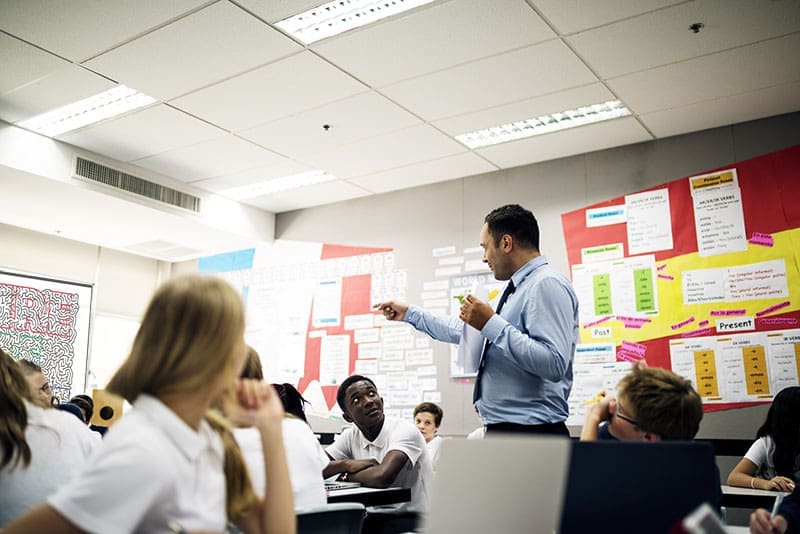
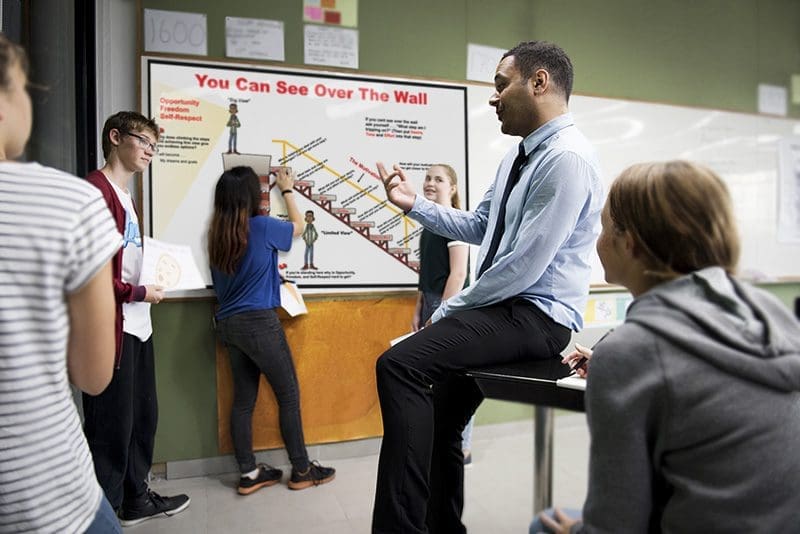
Traditional discipline approaches often focus on compliance, control, and consequences.
While structure and accountability are important, these approaches alone can unintentionally reinforce the very behaviors we are trying to change.
- Misunderstood
- Powerless
- Labeled as “the problem”
They are more likely to disengage, resist, or shut down.

The Shift: From Compliance to Connection
To effectively support students, we must shift our approach:
From:
“How do we get this student to follow the rules?”
To:
“What skills and support does this student need to succeed?”
This shift focuses on:
- Building trust before enforcing change
- Teaching skills instead of only correcting behavior
- Helping students feel seen, heard, and valued
- Creating opportunities for students to take ownership of their choices
When students feel connected, they are far more likely to engage, regulate, and make positive decisions.

The Role of Visual Metaphors in Emotional Regulation
One of the challenges in working with students—especially those impacted by trauma—is helping them understand and talk about what they are experiencing.
Many students lack the language to describe:
- Their emotions
- Their struggles
- Their decision-making patterns
When students feel connected, they are far more likely to engage, regulate, and make positive decisions.

Why Visual Metaphors Work
Visual metaphors help students:
- Externalize their challenges
- See patterns in their behavior
- Understand cause and effect
- Talk about difficult topics in a safe, non-threatening way
Instead of saying:
“You need to make better choices.”
We can say:
“Where are you on the path right now?”
or
“What’s getting in your way?”

Making Learning Stick
When students connect ideas to visuals and real-life situations, they are more likely to:
- Remember the lesson
- Apply it outside the classroom
- Discuss it with peers
- Use it to guide future decisions
This is especially important for students who may struggle with traditional instruction.
5 Trauma-Informed Conversation Starters
These simple, intentional questions can help shift interactions from correction to connection.
1. “What’s been going on for you lately?”
This opens the door for students to share context without feeling judged.
2. “What was going through your mind when that happened?”
Helps students reflect on their decision-making process rather than just the outcome.
3. “What do you think you needed in that moment?”
Encourages students to identify unmet needs (support, space, understanding, etc.).
4. “Who can help you when this happens again?”
Shifts the focus to building support systems and protective factors.
5. “What’s one small step you can take next time?”
Promotes ownership and builds confidence in making better choices.
Want more tools like this? Book a Demo!
Book a demo with a Program Director, and we will send you a free copy (ebook and audio version) of our best-selling book, “The Resilience Breakthrough,” by Christian Moore.
Pass Along Resources to Share with others
Please help us to share these resources with others in your community!
The WhyTry Program
WhyTry is a powerful toolkit for teachers and counselors to teach students the “Skills of Resilience.” WhyTry is also an approach to engage and motivate even those difficult-to-reach students. To share Information about the WhyTry Program materials and training, point people to this page: whytry.org/program
The Transformational Leader Toolkit
This toolkit is a series of pre-built staff development workshops for school administrators and school leadership teams to build staff capacity for creating positive teacher-student relationships. This has the potential to directly address the lack of connectedness we are seeing in students, as well as the teacher burnout and staffing shortages we are seeing across our schools. Point people to this page for more information: whytry.org/transformational
Pass Along a Printable Brochure
Just looking for a quick document that can be attached to an email or a brochure that can be printed. Click on this link to get a document that explains about all our programs and resources for educators. Download a Brochure
More Information About WhyTry
From other programs & tools
The WhyTry Program
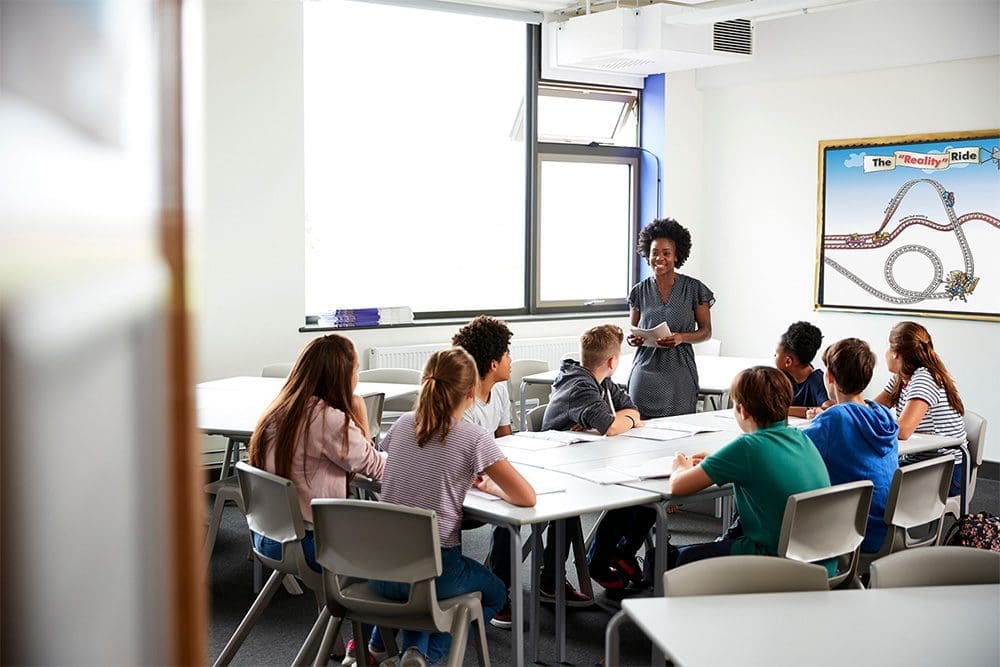
WhyTry is a flexible toolkit and curriculum for K-12 teachers and counselors. It provides simple, hands-on strategies and resources to help motivate the unmotivated student, support students with trauma, improve engagement, and increase academic success. The idea is straightforward: teach life skills and resilience to youth in a way they can understand and remember.
More information about WhyTry
Watch an overview of The WhyTry Program, toolkit, and materials. If you still have more questions, or if you are interested in a quote for volume pricing:
10 WhyTry Learning Units
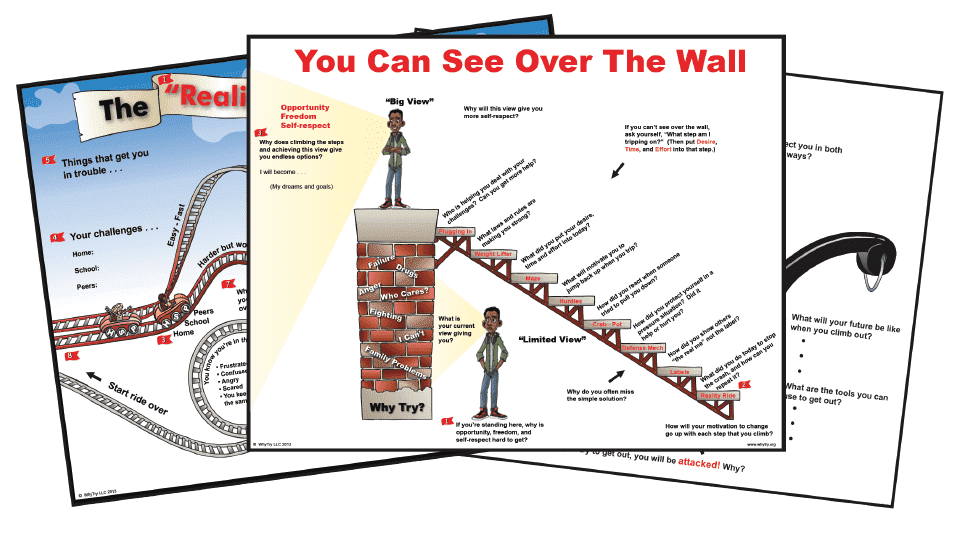
The WhyTry curriculum utilizes a series of
ten visual analogies that teach essential
life skills including:
- Decision-making
- Positive self-esteem
- Emotional regulation
- Having a resilient mindset
- Peer influence & relationships
- Problem-solving
- Hard work & Determination
- Responsibility and expectations
- Relationship building
- Self-efficacy
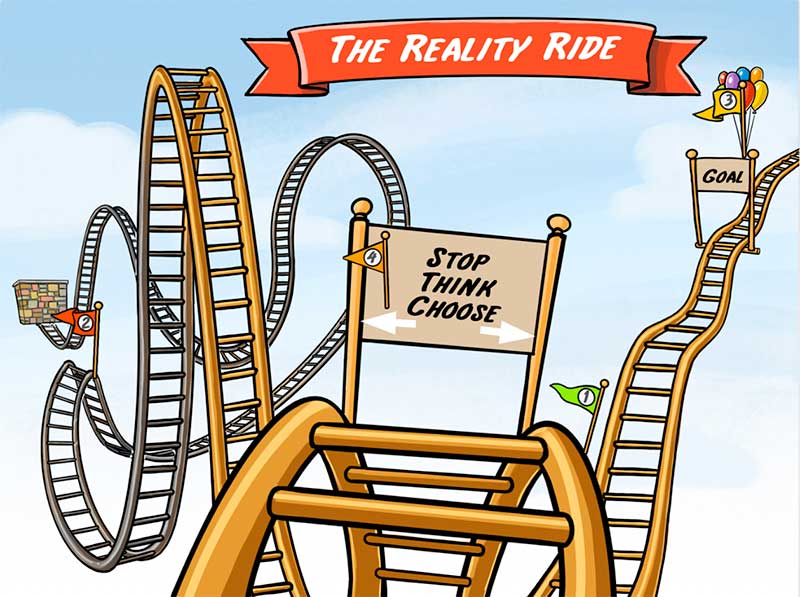
The Power of Visual Metaphors
One of the most unique things about WhyTry is how we use visual metaphors to teach these important principles to students in a way they can understand and remember. The powerful thing about using this visual approach is the way it takes abstract concepts and puts them into a context through the use of a metaphor that students can understand. It essentially creates a language for educators to communicate the relevance of these things.