

Five Quick Interventions for One-on-One Counseling Sessions
Practical tools to help you de-escalate difficult moments, strengthen connection, and help students think through their choices.
Strategy 5 – Reason:
Processing Decisions & Consequences – “The Reality Ride”
Help students explore how the choices they make today can shape what happens next.
The Reality Ride is a visual metaphor that helps students think about the connection between choices, consequences, and future outcomes. Instead of telling a student what they should do, you can use these resources to help them look at a situation from their own point of view, notice where their choices may be leading, and consider what they want to do next.
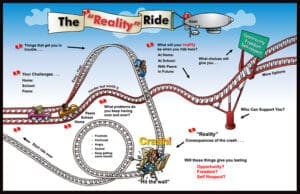
The resources below can be used together as a complete intervention or selected individually to fit the student, the situation, and the time you have. You might introduce the idea with the presentation or video, work through the Student Game Plan together or separately, and use the activity to make the metaphor more concrete. The parent resource can help continue the conversation beyond your meeting with the student.
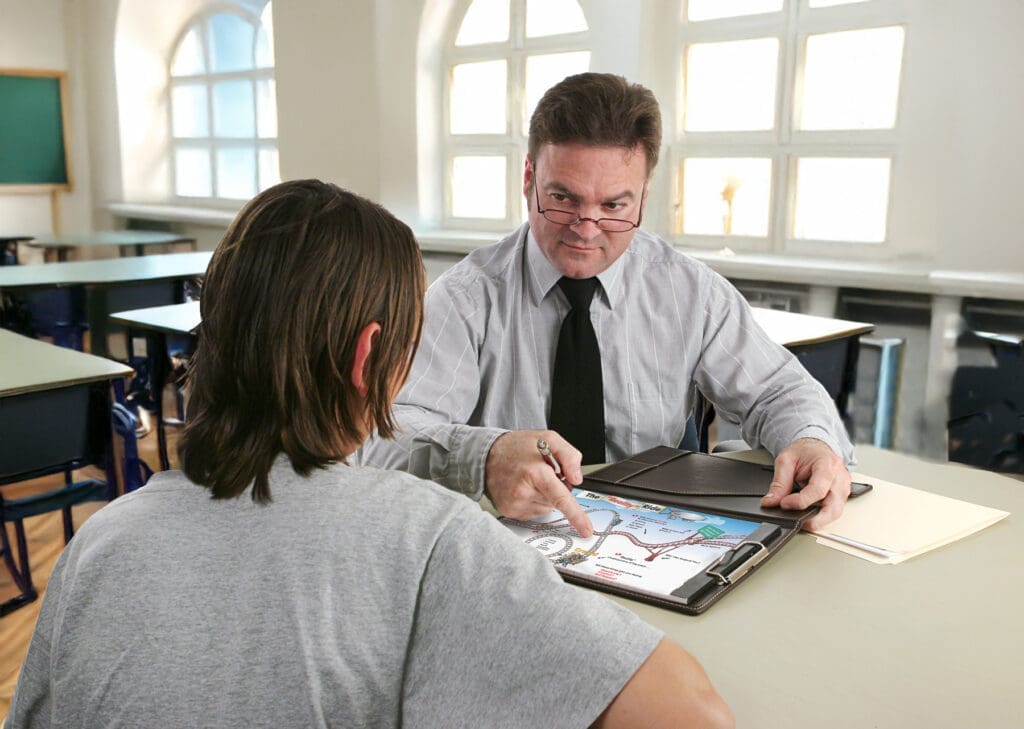
There is no required sequence. Follow the student’s readiness and use the resource that best supports the conversation.
Intervention Resources
REASON – Quick Intervention Resources
Student Game Plan
A student-facing worksheet that helps students apply the Reality Ride to a real decision or challenge in their lives. Use it as a guided conversation, invite the student to complete it independently, or work through selected questions together.
Facilitator Guide
Guidance for the adult supporting the student through the Game Plan. Use it to prepare for the conversation, understand the purpose of each part, and help the student reflect without taking over or supplying the answers.
One-on-One Activity (object lesson): “Flip the Coin”
A brief object lesson that makes the connection between choices and consequences more tangible. Use it during the Game Plan conversation or afterward to reinforce the idea that decisions can influence what happens next.
Presentation Deck
One of the quickest ways to strengthen a one-on-one intervention is to communicate:
“I want to understand this from your point of view.”
This relationship strategy helps you slow the conversation down, become curious about the student’s experience, and create room for the student to tell you what is really happening.
That doesn’t mean agreeing with every decision the student has made. It means understanding before trying to influence what happens next.
Use this when a student:
Video Clip
A short video example that offers another way to introduce or reinforce the Reality Ride. Use it as a conversation starter, then invite the student to connect the ideas to their own experiences.
Rather than lecturing a student about what they “should” do, the Reality Ride gives you a structured way to help the student examine their own situation, identify patterns, and decide what they want to do next.
This is a more complete quick intervention that can be used when you have additional time with a student or when you want to continue the conversation across multiple meetings.
Parent Resource
A take-home resource for a parent or caregiver. Share it after the conversation to help extend the discussion about choices, consequences, and next steps beyond the meeting.